Calves Need Water
May 02, 2019
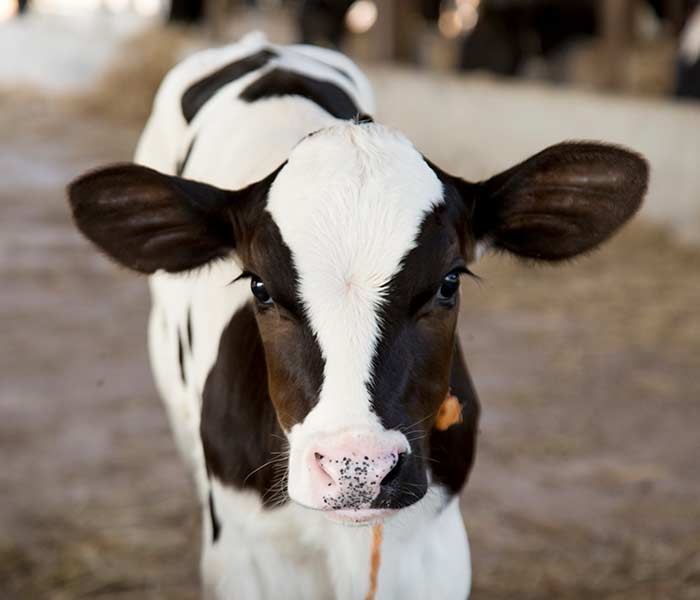
Water is essential.
Water plays essential roles in hydrating a calf and in rumen development, not only in the summer, but year-round. Baby calves are on a liquid diet, so it may seem that offering water is not necessary, but that is not true. Offering water separate from milk will increase weight gains by increasing starter intake. Best practice is to provide calves access to clean, fresh, warm water from the first day of life. However, according to the National Dairy Health Monitoring System (USDA, 2014), the average age of heifers when first offered water in the United States is 17.3 days. The age when first offered water tends to go down as herd size increases (see table), and no category of herd size is (on average) offering water the first day of life.
Rumen Development
One very important role that water plays is in rumen development. When a calf drinks water, the water goes into the rumen along with the starter feed. Milk, however, bypasses the rumen via esophageal groove and goes into the abomasum of the calf. In the rumen the water and dry feeds mix and are subject to fermentation. For optimal fermentation, roughly 4 times as much water as dry feed is needed. Without water ruminal development is slowed. Fermentation of carbohydrates (mostly from grains) in the rumen leads to papillae growth on the rumen wall. Ideally, we want to transition our calves from milk to solid feeds to reduce both feed and labor costs. However, the calf can only absorb nutrients from her rumen in proportion to the surface area of the rumen lining. That surface area depends heavily on the growth of these papillae – more and longer papillae means lots and lots more surface area.
Offering fresh water.
Offering fresh water is particularly important in situations where milk total solids are high. High total solids in milk or milk replacer can create a situation where the osmotic balance in the calf is out of equilibrium and water is pulled out of cells resulting in diarrhea and dehydration, even in a calf drinking plenty of milk. Providing fresh water will allow the calf to self-adjust to some degree, lessening the severity of dehydration.
Test your water.
Michigan State University Extension recommends periodically testing water sources for bacteria and mineral content. Calves are very sensitive to sodium and do not tolerate excess sodium well. Water that has passed through a water softener can have very high concentrations of sodium and should not be used to mix milk replacer, electrolytes or used as a source of drinking water unless it has been tested and verified to have low levels of sodium (<100 ppm).
Keep things clean.
Keep water buckets free from environmental contamination - dirt, feed, manure, algae. It is helpful to have a divider between the water and starter buckets in the calf pen so that the calf cannot slop back and forth between buckets. Running out of water or grain for any length of time can result in slug feeding and even bloating when feed is finally offered, so it is very critical to always have free choice water and grain at all times.
So, the bottom line is water is essential to raising healthy calves, year-round. Ensure that it is clean, fresh, and always available beginning at an early age to get the best growth and health of your future herd.
Tips for promoting water intake:
Calves cannot drink water that is not in front of them!
Make feeding water part of the daily routine for individually housed calves. In group housing, make the daily check of the waterers part of the routine.
Calves cannot drink ice!
In freezing situations offer body-temperature water while calves are still standing after their milk feeding. During freezing weather, feed grain after milk and water feeding. At that time, dump water pails. In group pens it is important to check daily that heaters are keeping ice out of the waterers.
Calves prefer to drink clean water.
In group pens frequent draining and cleaning of waterers encourages water intake. If water is offered in a separate pail at each pen, it is a best management practice to dump and replace water at least twice weekly – more often in hot weather. Set up a schedule to wash a few water buckets every day so that at the end of a week all water buckets are cleaned. Water bucket placement can help, too. When possible, place water and grain buckets as far apart as practical in individual pens – you end up with less water in the grain buckets and less grain in the water buckets. Younger calves prefer to drink water closer to body temperature (103°F) compared to well-water temperature (e.g., 50°F).