Beef Industry Updates
Every day is a great day to be in the beef business and this year has proved to be another excellent year in the cow/calf and feedlot sectors of beef production.
We as beef producers are expecting to see another potential record-setting year on feeder cattle. Those involved in the feedlot sector have seen record prices for fat cattle despite high input prices. Futures indicate there is strength in the value of the calf crop and fat cattle moving forward.
To capitalize on the strong future of the business, we need to acknowledge the challenges of 2023 and make management decisions to increase the odds of a positive outcome in 2024. For many of us, inconsistent or lack of any precipitation has led us to look at and consider changing our management system in 2023.
Unfortunately, by this time it is too late to consider changing up stocking density in pastures as they are too far gone for any chance of recovery with the recent heat and extended periods of lack of precipitation. Many have made decisions to wean calves early to possibly help save the pastures and implement a plan to set the cow herd up for success in 2024.
In order to achieve our goals, we must know where we are currently at. One of the least expensive practices we can do as producers that will reap the greatest ROI on our operations is to Body Condition Score (BCS) at the time of weaning. Done subjectively with your nutritionist will help us understand the nutrition required to achieve an average score of 6 prior to calving.
Along with scoring our cows, the next greatest return to our operation is sampling and getting an accurate inventory of stored feeds. By obtaining this information and having assessed the BCS of the herd, we can better consult with you at what time certain stored feed should be fed to maximize nutrient utilization for the cow associated with maintaining or gaining body condition. In some cases, particularly in a year like 2023, we are going to be challenged with forage quality and inventory.
I encourage you to take the time with your nutrition consultant to assess the BCS of the herd, sample stored forages and begin the process now to determine what it will take to achieve the desired BCS of 6 in advance of 90 days from calving. By knowing what is available, you and your nutritionist can discuss the supplementation strategy needed to get there.
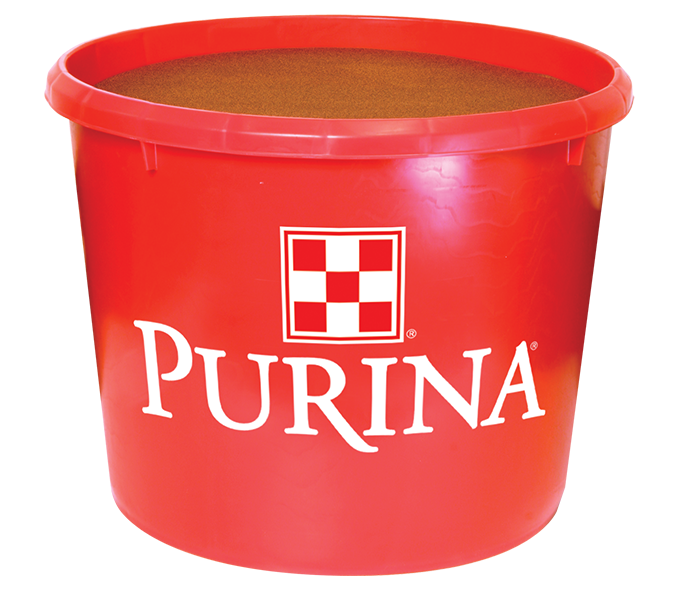
It happens to be a great time to do so as we have launched our fall tub booking with competitive pricing and quantity discounts. Again this year, we are offering protein tubs and Accuration Hi-Fat tubs which can easily be incorporated in time of feeding low quality forages. We also offer stress tubs to aid in the transition from pasture to dry lot and ease the stresses associated with weaning. We also have options for our dairy and small ruminant customers. Contact your nutrition consultant today.
What we should have done yesterday will affect the outcome of today and tomorrow. Be proactive and schedule a consult today to ensure a strong end to 2023 and much success in 2024.
Chris Blank
Livestock Nutritionist