July Update
I hope you are enjoying your summer. It’s been an interesting one so far, hasn’t it? I’ve been spending a lot of my free time on my barn roof replacing old nails with new screws. I figured I’d better get at it because I swear it rains harder inside my barn than outside. I’m hoping to wrap up that project soon so I can move on to the next one.
Summer projects.
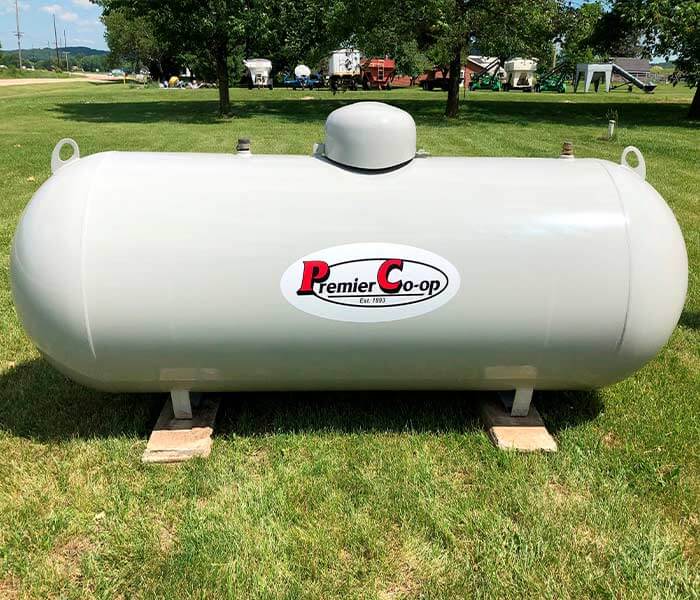
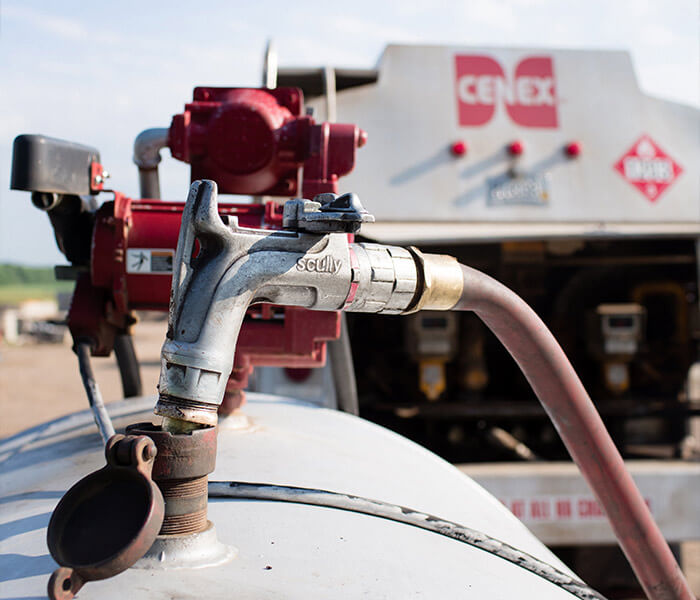
We have some summer projects in our energy division that will help keep you and your family safe all year long. One of the projects is replacing propane regulators that are beyond their recommended life. A typical residential propane system has one regulator on the tank and one on the house. These regulators are vital to a normally operating propane system. They regulate the pressure of the propane flowing throughout the system. Since regulators are mechanical, they will wear out eventually.
Most regulator manufacturers suggest that the safe life of a regulator is 25 years. A failing regulator may begin leaking propane out of the vent on the regulator or shut off the flow of propane completely. The middle of the night in below zero temperatures would not be a good time for your propane to stop flowing due to a failed regulator. Then you’ll have to pay for the cost of the regulator and a service charge on top of it. If one of our technicians tells you that your regulator is out of date, it should be changed pronto.
If we own the tank, we’ll replace the tank regulator at no charge but you’ll be required to pay for any other regulators as we don’t own anything beyond the tank. If you break the cost down annually, it comes to about $3 per year per regulator. It’s pretty cheap insurance when you consider that your family’s safety is priceless.
Summer leak testing.
Another project our folks are working on is leak testing propane systems. If you see our technicians working around the tank, chances are they are leak testing your system. If there is no flow of propane to pilot lights on your system, they can test the system without you being home. If you’re due for a test but they can’t do a proper test because there is a pilot light on the propane system, you will be contacted so that a family member can be there as our technician will need to shut the pilot light off for a short period. He will relight the pilot before he leaves.
It's not too late to turn in your 2020-2021 propane contract.
If you didn’t get your contract in by the deadline, you can still send it in but before you do please call your local Premier Energy office to see if the prices are the same. We may have to adjust the price on the contract if it’s late. Propane prices are very volatile and are expected to continue to rise as countries come out of their lockdowns. Also, as I explained in last month’s newsletter, oil companies are idling a lot of fracked wells, which means less propane production in the U.S. Higher domestic prices will slow down propane exports and keep the supply we need this winter in the United States.
Get out there and enjoy the beautiful Wisconsin weather. Thank you for your business.
Tim Lease
Division Manager