September Update.
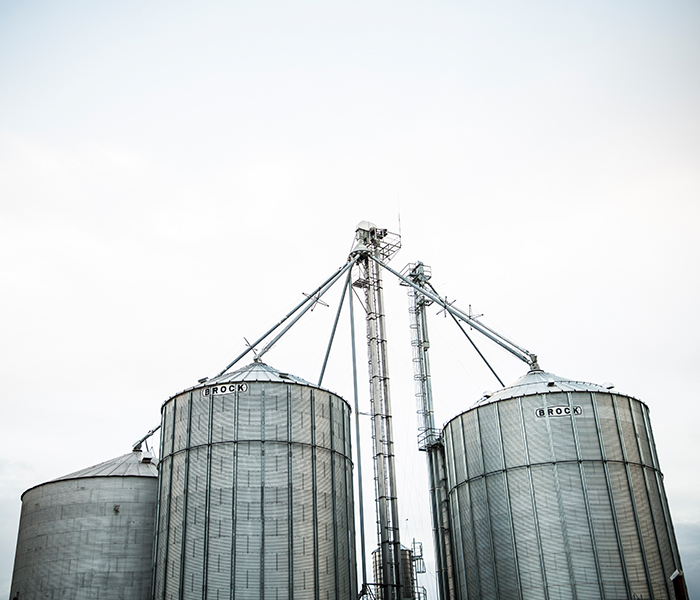
I hope everyone had a great month of August and you are ready for the busy months ahead. Best of luck to all about to chop silage and those who are in the middle of chopping. I have a couple of reminders as we head into the grain harvest season. First, contact one of us today to get put on the list for each location’s harvest text updates. This includes hour changes, weather updates, and other location alerts sent out as needed. You can sign up by asking a grain staff member or on our website under the Grain Marketing tab. Second, keep in mind that Premier offers fall trucking out of the field. If your operation needs some extra hauling, please reach out and we will put together a plan.
This month’s WASDE report brought an unexpected reduction to 2021 crop yields, supporting the market. The USDA estimates corn yield at 174.6 bpa and soybeans at 50.0 bpa. 2021 corn carryouts are projected at 1.12 billion bushels and soybeans at 160 million bushels. 2022 carryouts sit at 1.24 billion and 155 million bushels. These current USDA numbers are keeping a supportive floor under our market, but as we discover how the crop looks both nationwide and for yourself personally in the next few months, be ready with an action plan in place for marketing your grain.
Jory Bossuyt
Grain Lead & Merchandising