Grain Update

Dec 09, 2022


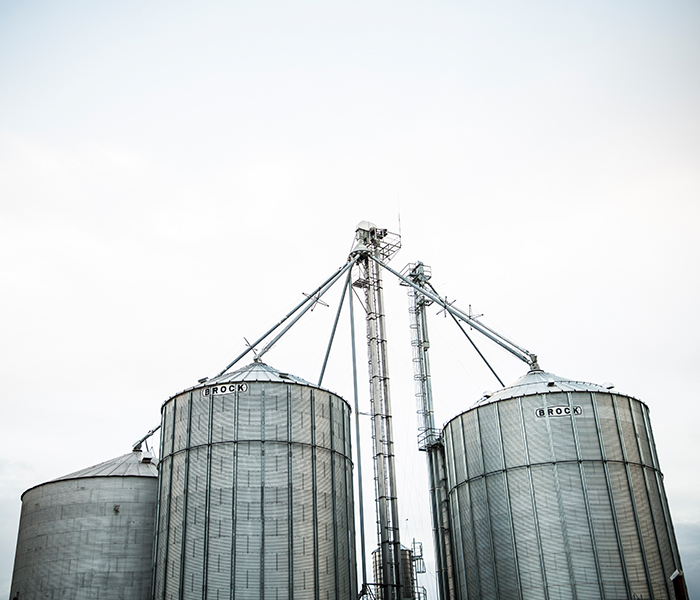
Grain Bin

December Update.

Hopefully everyone had a great Thanksgiving. For some it was a day off before another few days of harvest, as we are still taking grain at all of our locations. We are starting to wrap up harvest for the most part, so I just wanted to say thanks to all for turning to Premier for your grain needs this fall. We were glad to have decent weather. outside of a few stretches of snow/rain/cold.

Corn prices have been relatively quiet lately, holding above $6 for the entirety of fall. We are seeing corn shipments lagging behind their necessary pace, but that bearish factor is offset by production issues in the western corn belt. Locally, WI producers in general saw good yields on both corn and soybeans. Soybeans have been a little more active, catching some life after river levels recovered to some extent in late October and helped by soybean oil strength. Soybean sales and inspections have been strong as well. 

Now that the crop is in the bin, it’s a good time to set some selling goals and make a plan both for bushels in storage at Premier and grain in the bin. Contact us today to make a plan

Jory Bossuyt

Grain Lead & Merchandising
 

Latest Posts

Apr 30, 2026
May is one of the most important months of the growing season. As crops emerge and early decisions are made, Premier Cooperative’s Agronomy Division is focused on protecting yield potential and setting crops up for success.Here’s what the team is focused on this month:
Apr 30, 2026
Skip the mailbox and get paid sooner by signing up for grain ACH (direct deposit). With ACH, your grain payments go straight to your bank account - no paper checks, no bank trips, and no mail delays. It’s a fast, secure option that saves time, reduces paperwork, and delivers payment within 1–2 business days, giving you quicker access to your money and making busy seasons easier to manage.

Ready to simplify your grain payments? Sign up here or call 608‑319‑1202 to enroll today. Thank you!
Apr 30, 2026
Spring has officially sprung. Those April showers didn’t just bring May flowers. It brought in calls to the energy division that flooding on some of our customer’s property tipped over their propane tanks. The first thing propane tanks do when the water gets high enough for them to float is roll over. This rollover can allow liquid to reach the vapor valve. The last thing you want coming through a propane line and traveling to your house is propane liquid. It can cause a pressure surge, which over-pressurizes the piping, regulators and appliance valves. This can cause leaks and a potentially very dangerous situation.

Related Posts