Overcrowding - Not One Size Fits All?
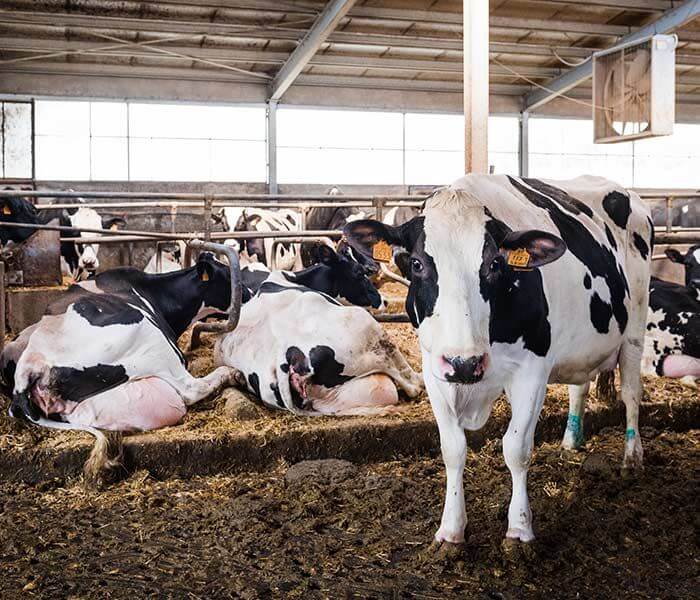
After nearly a decade in this role, it is not often a question of “if” herds are overcrowding, but more so “how much”? There are a ton of factors to consider when deciding to keep a cow around. Is she carrying a black calf? Is there enough feed inventory on hand to feed the herd and have the desired carryover? What might the income per stall look like at 140% overcrowding versus 125%? The challenge is that no two dairies have the same answer.
Here are five essential areas to focus on if a dairy wants to be successful in keeping some of those extra cows around.
1. Pen Sizes and Grouping
Avoid overcrowding the pre- and post-fresh pens. 80% of stall and feed bunk space is idyllic.
Group first-calf heifers separately from mature cows. Research from the Miner Institute shows that dry matter intake for heifers dropped off severely in comingled pens once bunk space got below 20 inches per head.
2. Feed and Water Availability
Push up feed frequently and feed rations that are not sortable. When barns are overcrowded, not all cows can eat at once. That gives room for the dominant cows to get to the bunk first and leaves slim pickings for the more timid cows.
The more often feed gets pushed up, the more consistent intake there will be across the group. A good goal is to push up feed every two hours. The more the better!
Maintain at least 2 inches of water space per cow.
3. Provide Comfortable Stalls
If she is in a stall, she needs to be lying down. Stall time is valuable and if she is standing in the stall, she may as well be standing in the aisle.
A reminder that stall cleaning, bedding and maintenance are that much more important in an overcrowded facility.
4. Focus on Foot Health
With more standing comes more stress on feet and legs. Keep a close eye on trimming and footbath schedules, as lame cows have little tolerance for being overcrowded.
More cows in the alleyway means more manure – scraping three times daily will keep the alleys and cows cleaner. Mastitis and hoof health challenges can easily rob gained milk production if these details are not focused on.
5. Excel in Heat Abatement
More cows = more heat. Adequate sprinklers and air movement can mitigate heat stress during the hot months of the year.
It is important to understand that every dairy is different when it comes to their overcrowding capabilities. On paper it may make more financial sense to push the cow numbers and spread out facility costs across a larger group. However, each pound of dry matter here in Wisconsin costs roughly $0.12-$0.15, and if a certain amount of milk production is lost in our efforts, milking and taking care of fewer cows may make more sense. Our Dairy Nutrition Team at Premier Cooperative is always available to run numbers and see where your herd could improve on profitability today.
Amber Feiner
Purina Dairy Nutrition Consultant