Preparation is the foundation for success.
As we kick off the new year, preparation is the foundation for success. January is the perfect time to review last season, set clear goals, and position your operation for a strong 2026. Our agronomy team is here to help you make informed decisions that maximize yield and profitability. Here is a recap of some timely considerations and best practices. Please reach out to your agronomist to learn more about any of them:
1. Plan Ahead and Set Clear Goals
Start by reviewing last year’s performance and identifying opportunities for improvement. Work with your agronomist to finalize crop plans, input needs, and financing options early. Proactive planning ensures you’re ready when spring arrives and helps lock in favorable pricing for seed and fertilizer.
2. Seed Selection Matters
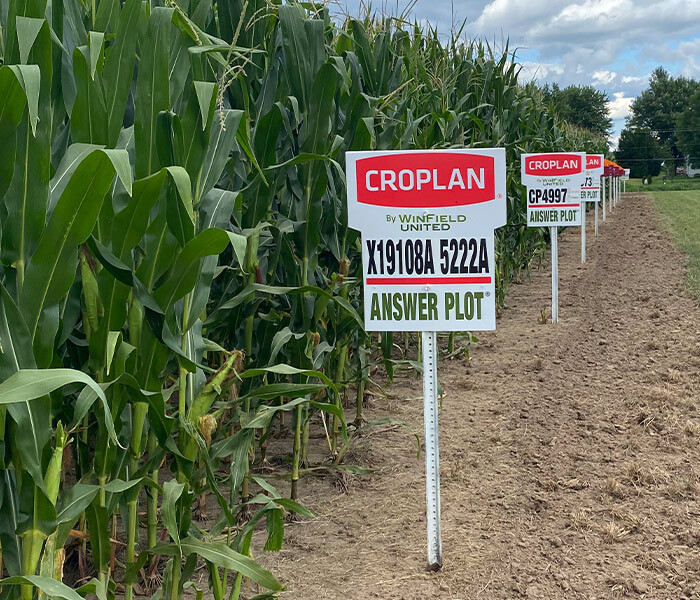
Choose hybrids and varieties that align with your management style and field conditions. Matching seed traits to your operation can improve standability, disease tolerance, and yield potential. Consider local plot data and consult your Premier agronomy team for tailored recommendations.
3. Fertility and Nutrient Management
High yields in 2025 mean significant nutrient removal from fields. Soil testing will guide efficient fertilizer decisions. With input costs trending higher, focus on nutrient-use efficiency; apply what’s needed, when it’s needed. Explore options like split applications and enhanced-efficiency products to maximize ROI.
4. Weed and Disease Control Strategies
Implement a two-pass herbicide program to control early-season weeds and protect crop resources. For disease management, plan fungicide applications based on hybrid response and anticipated environmental conditions. Early scouting remains critical for timely interventions.
5. Cover Crops and Soil Health
If you planted cover crops last fall, monitor their growth and termination timing. Proper management of cereal rye or legumes can improve soil structure, reduce erosion, and enhance nutrient cycling. These practices set the stage for healthier soils and stronger yields in 2026.
6. Technology and In-Season Management
Taranis A.I. Aerial Scouting with drones is becoming essential for crop monitoring and decision-making. Consider integrating these technologies to improve efficiency and profitability.
Looking Ahead:
The winter months are a great time to gather your field maps and ID fields to share with your agronomist. For those of you that need to buy “Restricted Use” products, check your certifications and recertify if need be to give yourself best options for your needs.
Thanks for your partnership in 2025. Please reach out to your Premier agronomist to discuss your plans for next year. We are looking forward to serving you in 2026!
Ken Jahnke
Agronomy Sales Manager