Smarter Fungicide Decisions Start with Timing and Scouting
If I had a crystal ball, I would tell you how heavy the disease pressure will be in the 2026 growing season. Sadly, they were fresh out at Walmart when I checked for one, so we’ll have to rely on other tools instead, such as fungicide.
Why Fungicide?
Fungicides can play an important role in protecting yield and grain quality by reducing the impact of foliar diseases. Diseases like gray leaf spot, tar spot, northern corn leaf blight, and southern rust can severely reduce the plant’s ability to capture sunlight and make energy, ultimately limiting grain fill. When these diseases are present it is important to have a timely fungicide application which helps preserve healthy leaf tissue.
Where Do I Start?
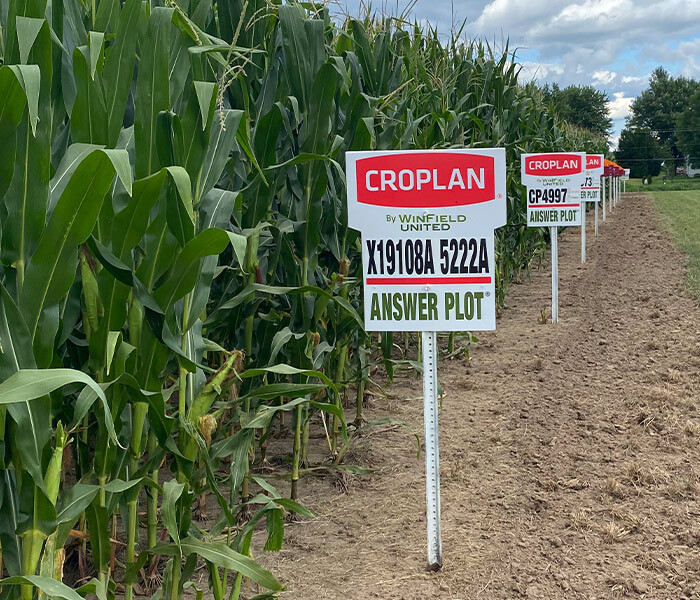
A good place is your seed guide. Most companies rate hybrids for disease tolerance, and those with lower tolerance are often stronger candidates for a fungicide application. Another valuable resource is WinField United’s Answer Plot Data, which evaluates hybrid performance across multiple locations and highlights fungicide response scores by hybrid and brand.
Next Steps
After reviewing seed ratings and Answer Plot data, the next step is to get boots on the ground and scout fields. Early and frequent scouting is key, especially when weather conditions favor disease development.
Make the Most out of your Application
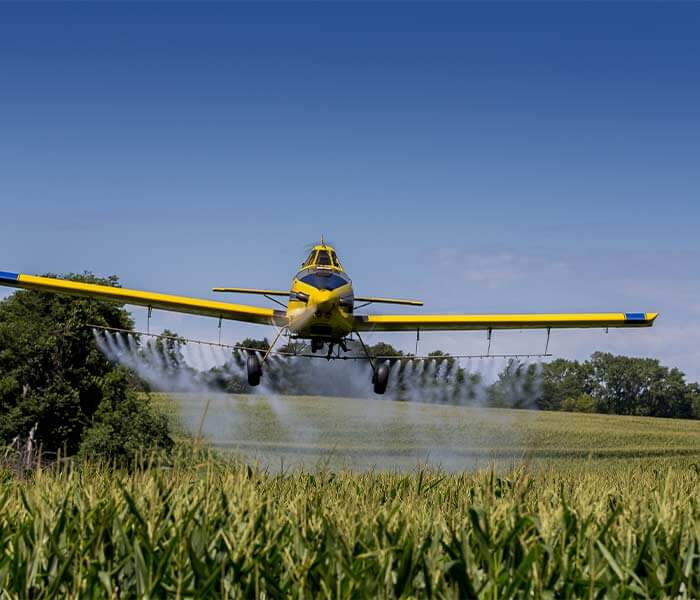
Now you have decided to apply a fungicide, it is important to consider what is in the spray tank. A fungicide pass is more than just disease protection; it is an opportunity to combine products that work together to support crop health and yield potential. In a typical fungicide application, you may include a fungicide for disease control, an insecticide to help manage insect pressure, and a surfactant to improve coverage and performance of the spray on the plant. Together, these products help protect the crop from both disease and insect pressure while making the most out of a single application across the field.
Adding a biostimulant such as YieldOn is an efficient way to mitigate in-season stresses that could challenge your crop performance. YieldOn increases crop productivity and supports the transport of key nutrients throughout the plant for higher potential fungicide ROI. When paired with a fungicide application, YieldOn can help the crop stay stronger under stress and make the most of the protection being applied. This combination helps maximize the value of the fungicide pass and supports the goal of improving overall yield potential and return on investment.
At the end of the day, I still haven’t found a crystal ball at Walmart (checked twice just to be sure), so we’re left doing the next best thing; using the information we do have and making the most informed decisions possible. With a little scouting, some seed guide homework, and attention to field conditions, fungicide decisions become a lot less about guessing and a lot more about timing. A well-built tank mix and a timely application can go a long way in protecting yield potential and getting the most out of every acre. It’s not about predicting the season; it’s about being ready for it when it shows up.
If you want to take the next step or talk through what makes sense for your acres, contact your local Premier Cooperative agronomist for more information. We can help you build a fungicide program that fits your goals and operation.
Ken Jahnke
Division Sales Manager