Success Starts Now
August may not be a traditional planting month, but it’s a crucial time for growers looking to establish alfalfa or prepare for fall crops. For most of our trade territory, alfalfa should be seeded by August 30, ideally 6–8 weeks before the first killing frost to ensure strong root and top growth before winter. After September 1, success rates drop significantly.
It’s also time to place your fall rye and winter wheat orders. Securing preferred varieties early helps ensure availability. Contact your agronomist or local agronomy center to get started.
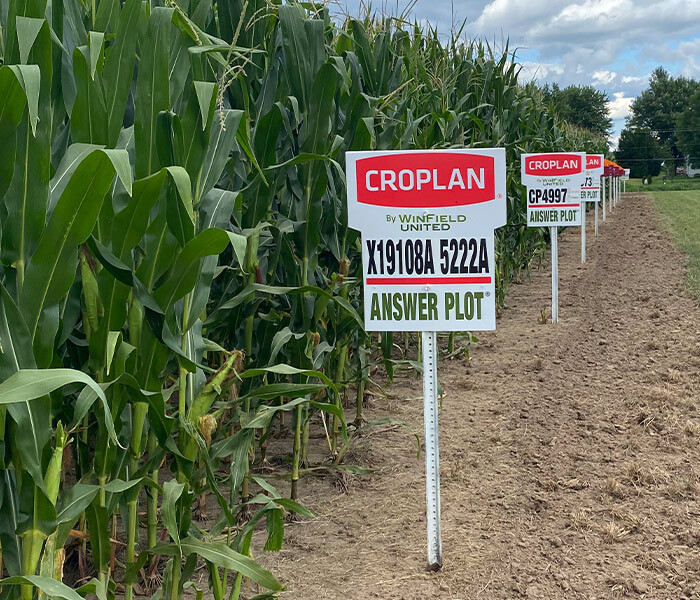
Looking to stay ahead with the latest in crop production? Schedule a personal tour of one of our Premier Acre Plots. These plots highlight innovative plant nutrition products, best management practices, and hybrid trials from Brevant, NK Seeds, Dekalb, Asgrow, and Croplan.
Tours are a great way to connect with your Premier Agronomist, ask questions, and gain insights that can help boost yield and profitability on your farm.
Whether you’re planting alfalfa, small grains, or exploring new technologies,we are here to help you make the most of your acres. Contact your local Premier agronomist to learn more.