Managing Key Feed Out Practices
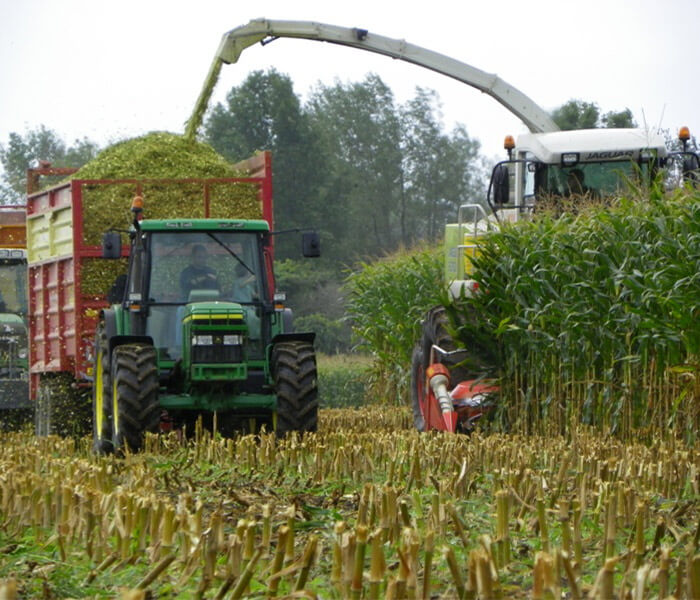
As corn silage season concludes, it’s important to take a moment to recognize the dedication and long hours that went into securing the feed you’ll rely on throughout the coming year. We all aim to put up the highest quality feed possible, but in the rush of long hours during a short harvest window, it’s easy to lose sight of our true goal. Ultimately, we’re working to produce feed that is consistent, clean, and rich in nutrients. Once that hard work is done, the next critical phase is feedout. Here are a few key things to keep in mind as you move forward.
1. Proper defacing
Removing silage from the face of a pile or bunker silo can significantly impact the stability of the feed. Defacing should happen in layers across the entire face and should be done with a silage rake or defacer. Using a bucket to deface can cause deep fractures that allow air to penetrate and accelerate spoilage. When defacing, we only want to remove what is required daily. Any excess will be exposed to oxygen and will lead to an increased risk of heating and nutrient degradation, negatively impacting intakes and performance.
2. Correct feed out rate
When feeding out of a pile or bunker silo, it’s essential to maintain a proper feed out rate. Too little taken each day can lead to increased spoilage and heating within the silo before it ever hits the bunk. Aim for taking 10-12 inches per day in the summer, and 6+ inches in the winter. Warm summer temperatures accelerate microbial activity, increasing the risk of spoilage.
Overall, inadequate feedout of silage causes air exposure, causing heating and spoilage that will inevitably lead to nutrient and dry matter loss and decrease dry matter intake (DMI).
3. Managing spoilage
We all have our own issues when it comes to spoilage. Generally, we see spoilage where the silage is hardest to pack- on the top, sides and ramps of our piles and bunker silos. Spending some extra time on these areas can make a significant difference in reducing spoilage. Using a well-researched inoculant and oxygen barrier as well as wrapping your side walls (if you have bunker silos), will help mitigate spoilage.
Spoiled feed will have lower nutritional value and digestibility, leading to reduced intakes, reduced milk production, and increased risk of health issues. If all is done right, there should be little to no spoilage to deal with. In the case that there is, let’s not forget about our trusty pitchfork to clean those areas up and keep our cows on track.
Effectively managing these key aspects during feedout can lead to increased profitability, better feed preservation, improved animal health, reduced waste, and a host of other valuable benefits. If you have questions, concerns or just want a hands-on assessment of your silage management practices, reach out to your trusted Premier Cooperative consultant today.
Craig Wagner
Nutritionist